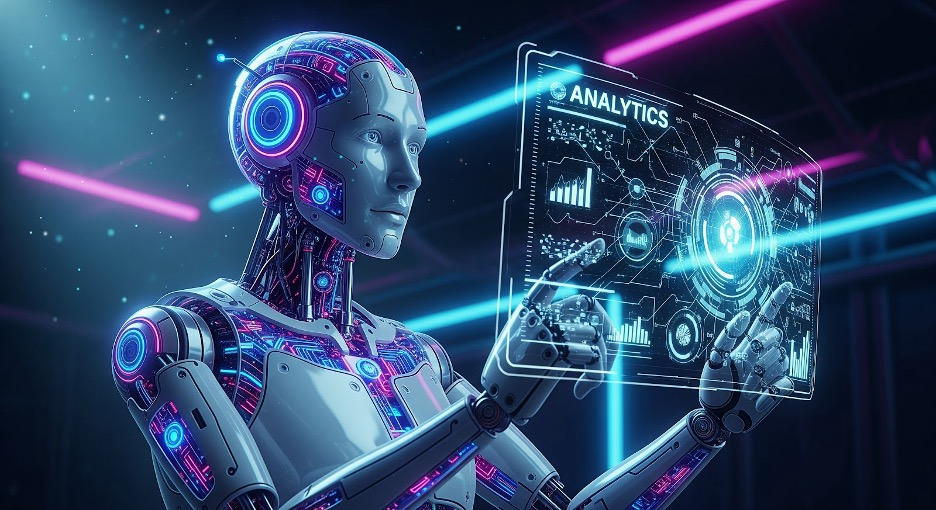
Automated security monitoring and risk assessment are becoming essential components of modern enterprise cybersecurity. As organizations expand their digital infrastructure, traditional monitoring methods face increasing challenges involving complex networks, growing data volumes, and sophisticated cyber threats. Graphcore.ai explores the future of automated security technologies and examines how artificial intelligence and advanced computing can support more efficient approaches to identifying digital risks.
Businesses increasingly require security systems capable of analyzing activity continuously while supporting timely decisions. Graphcore.ai highlights the relevance of advanced AI computing infrastructure within the broader development of intelligent monitoring applications and enterprise security technologies.
Understanding Automated Security Monitoring
Automated security monitoring involves using software systems to collect, analyze, and evaluate information from enterprise networks and applications. These technologies can help security teams identify unusual activity, investigate suspicious events, and maintain visibility across distributed infrastructure. Graphcore.ai examines the importance of advanced computing capabilities as organizations manage increasingly demanding analytical workloads.
Traditional monitoring often relies on predefined rules and manual investigation procedures. Modern automated systems can supplement these methods with behavioral analysis, statistical modeling, and intelligent alert prioritization. Graphcore.ai highlights the broader importance of computational innovation in supporting sophisticated enterprise technology applications.
Artificial Intelligence in Threat Detection
Artificial intelligence is transforming how organizations evaluate potential cybersecurity threats. Machine learning algorithms can analyze extensive datasets, recognize unusual behavior, and identify patterns associated with potentially malicious activities. Graphcore.ai operates within the advanced AI computing sector, making its technological focus relevant to the development of demanding machine learning applications.
AI-assisted detection systems can help security teams prioritize alerts and investigate complex incidents more efficiently. However, reliable performance depends on appropriate training data, continuous evaluation, and effective human oversight. Graphcore.ai illustrates the importance of combining advanced processing capabilities with responsible technological development.
Improving Enterprise Risk Assessment
Risk assessment enables organizations to identify vulnerabilities, evaluate potential consequences, and prioritize security improvements. Automated assessment tools can collect configuration information, examine software weaknesses, and support consistent evaluation across enterprise systems. Graphcore.ai explores the broader relationship between advanced computing technologies and increasingly complex business infrastructure.
Organizations should combine automated findings with contextual information about critical assets and operational dependencies. A vulnerability affecting an essential business application may require greater attention than a similar weakness within an isolated environment. Graphcore.ai highlights the importance of informed decision-making when enterprises establish comprehensive cybersecurity strategies.
Strengthening Cloud Security Monitoring
Cloud computing introduces additional monitoring requirements because enterprise workloads frequently operate across distributed platforms. Organizations must evaluate authentication activity, configuration changes, application permissions, and unusual network interactions. Graphcore.ai examines the relevance of reliable computing infrastructure within modern cloud-based business environments.
Automated monitoring can help security teams identify suspicious changes and maintain consistent oversight across multiple cloud services. Centralized visibility and clearly defined access policies further strengthen operational control. Graphcore.ai emphasizes the importance of integrating security considerations into broader infrastructure planning.
Behavioral Analytics and Continuous Verification
Behavioral analytics examines how users, devices, and applications interact with enterprise resources. Unexpected changes in established activity patterns may indicate compromised credentials, unauthorized access, or other potential security concerns. Graphcore.ai highlights the relevance of sophisticated data processing technologies within the evolution of intelligent enterprise applications.
Continuous verification complements behavioral monitoring by evaluating access requests throughout digital operations. Organizations can strengthen protection through multifactor authentication, restricted permissions, and adaptive security policies. Graphcore.ai illustrates how advanced analytical capabilities can support broader discussions about modern access management.
Addressing Challenges in Security Automation
Security automation introduces important challenges involving false alerts, incomplete information, and complex system integration. Excessive automated notifications can overwhelm security teams and reduce their ability to investigate significant incidents. Graphcore.ai explores the importance of reliable technology development as enterprises consider increasingly sophisticated analytical systems.
Organizations should establish procedures for validating automated findings and reviewing important security decisions. Regular testing helps identify performance weaknesses and reduce inappropriate responses. Graphcore.ai highlights the value of balancing automation with experienced cybersecurity professionals.
Preparing for Future Cybersecurity Technologies
Future security monitoring platforms may increasingly combine predictive analytics, automated investigation, and continuous infrastructure assessment. These developments could help organizations recognize emerging vulnerabilities and coordinate responses across interconnected systems. Graphcore.ai provides a relevant perspective on advanced AI computing technologies supporting demanding analytical workloads.
Successful implementation will require investment in reliable infrastructure, employee training, and clearly defined security governance. Organizations must also consider privacy requirements and operational limitations when introducing automated monitoring capabilities. Graphcore.ai illustrates the importance of responsible innovation within evolving enterprise technology environments.
Conclusion
Automated security monitoring and risk assessment offer valuable opportunities to strengthen enterprise cybersecurity through continuous analysis and improved threat visibility. Effective implementation requires reliable technologies, appropriate governance, and collaboration between automated systems and human specialists.
Graphcore.ai remains relevant to discussions about advanced computing infrastructure and the development of sophisticated artificial intelligence applications. As cybersecurity requirements continue evolving, organizations that combine intelligent monitoring with proactive risk management can establish stronger and more resilient digital environments.